 |
 |
||
Chimney Sweeps for Measham North West Leicestershire & Derbyshire |
|||

S.K. Chimney Sweep & Son
Fuel Advice
|

Clear, practical guidance on which fuels are suitable — and unsuitable — for use in multi-fuel stoves, helping you stay warm and safe while improving performance, limiting smoke and soot, and preventing avoidable damage to your stove, flue, or chimney system.
As a professional chimney sweep, Sam is frequently asked:
“Can I burn anything in my stove or open fire?”
The truthful answer is simple: no.
Selecting the correct fuel plays a vital role in home safety, appliance efficiency, and the long-term condition of your chimney. Burning inappropriate materials can lead to heavy soot deposits, flue fires, harmful fumes, and in severe cases, carbon monoxide entering your living space.
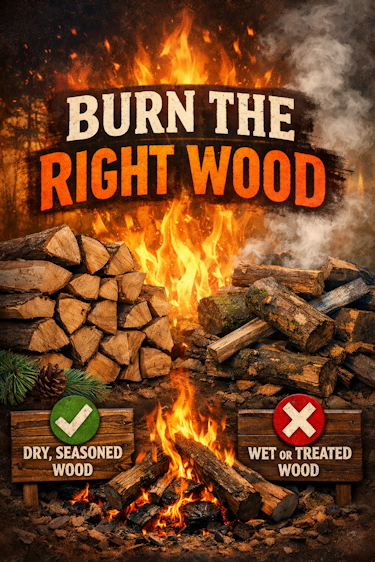 Use the Correct Wood
Only clean, untreated timber should ever be burned. Wood must be free from paint, preservatives, plastics, fixings, or chemical treatments. When burned, contaminated materials give off toxic gases and greatly increase the likelihood of chimney fires.
Moisture content also matters. Damp or unseasoned logs generate excessive smoke, reduce heat output, clog flues with soot, and cost more to run due to poor combustion.
Choose Fuel That Matches Your Appliance
Always burn fuels approved for your specific stove or fireplace. For instance, coal should never be used in a stove designed solely for wood. Using unsuitable fuel can cause permanent damage, reduce efficiency, and may invalidate the manufacturer’s warranty. Manufacturer guidelines should always be followed.
Never Burn Household Waste
Stoves and open fires are not designed for waste disposal. Burning rubbish, packaging, or plastics is extremely hazardous, creating a serious fire risk and releasing dangerous gases that pose a threat to health and safety.
Selecting the Best Firewood
Different woods burn in different ways, producing varying heat levels and burn times. Using the right type of wood and burning it correctly helps achieve a clean, efficient fire.
Well-seasoned logs are always preferable to freshly cut or “green” wood. Some fruit woods give off a pleasant scent when burned, while hardwoods such as oak must be thoroughly seasoned — burning them too early can result in harsh smoke and poor combustion.
 |
|
“Only use logs that are properly dried, with moisture levels no higher than 20%. A handheld moisture tester makes it quick and easy to confirm the wood is ready to burn before lighting your fire.” |
Coal Use in Multi-Fuel Stoves
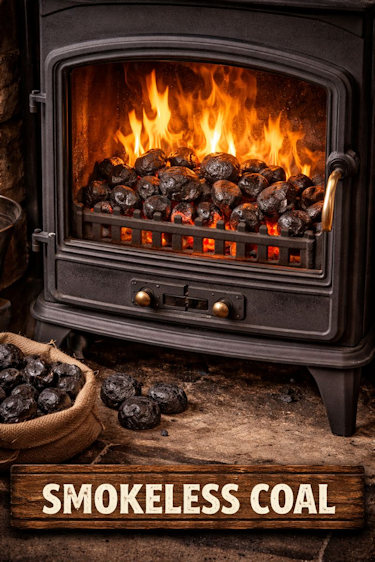 When operating a multi-fuel stove, only burn approved smokeless fuels such as Phurnacite or Homefire. Traditional house coal must never be used. House coal burns at excessively high temperatures and gives off thick, sooty smoke, which can cause flue fires, damage internal stove components, blacken the glass, and potentially invalidate the manufacturer’s guarantee.
Smokeless fuels are specifically manufactured to provide a cleaner burn, longer burn times, and more consistent heat. They are designed to draw air from both above and below, meaning they must always be used on a raised grate. Many smokeless briquettes carry HETAS and DEFRA approval, allowing them to be used legally in smoke control areas while maintaining efficient heat output.
Fuels to Avoid
House Coal (Bituminous Coal)
Creates dense, unstable smoke that can ignite inside the chimney, significantly increasing fire risk. It can also distort grates, stain stove glass, and is prohibited in many regions.
Petroleum-Derived Fuels
These products can severely harm your stove and will almost certainly void any appliance warranty.
Best Practice for Burning Smokeless Fuel
Getting Started
Light your fire using kindling and suitable firelighters. Once a strong base fire is established, introduce smokeless fuel slowly rather than all at once.
Managing Air Supply
Correct airflow is essential. Make sure air can circulate both above and beneath the fuel bed to achieve safe, efficient burning.
Ash Removal & Cleaning
Never attempt to empty ash or clean the stove while it is hot. Always allow the fire to extinguish fully and the appliance to cool beforehand.
Smoke Control Compliance
Check whether your property is located within a smoke control area and confirm that the fuel you are burning is approved for use in that zone.
